When to Schedule Lawn Aeration Services

We’ve all been there. You’re doing everything you’re supposed to for your lawn, watering, fertilizing, mowing, but it just looks… tired. Maybe the grass is thinning out in spots, or you’ve noticed that after a good rain, the water seems to sit on top for a while instead of soaking in. It’s frustrating. But more often than not, the problem isn’t something you’re doing wrong, but rather what’s happening under the surface. Your soil is probably compacted.
For so many homeowners, the solution that turns a struggling lawn around is professional aeration services. It’s one of the most effective things you can do for the health of your grass. But the real secret isn’t just if you should do it, but when. Timing is everything in Minnesota, and scheduling your aeration for the right time of year is what will give you those beautiful results you’re looking for.
What Is Lawn Aeration?
Think of it this way: over time, your lawn gets a lot of traffic. Kids play on it, you walk on it, and it gets buried under heavy snow all winter. All that pressure packs the soil down, making it hard. It’s like trying to grow a plant in a brick. The roots of your grass can’t push through the compacted soil to get the air, water, and nutrients they desperately need to thrive.
Traditionally, the solution was core aeration, which involves pulling plugs of soil out of the lawn. But at LNG Landscapes, we utilize a more advanced and less disruptive method: granular aeration.
Instead of pulling messy soil cores, we apply a specialized treatment that is absorbed into the ground. This treatment works on a molecular level to break apart the tightly packed clay and soil particles. Think of it like a conditioner for your soil. It creates millions of microscopic pathways and pores deep within the root zone. These tiny channels do the exact same job as the old-school plugs—they allow air, water, and nutrients to move freely and get right down to the roots where they’re needed most.
The Spring Aeration Myth
Your first instinct is probably to aerate in the spring, right? It makes sense on the surface. Everything is waking up, and you’re motivated to get your yard looking its best for summer. But for the types of grass we have in Minnesota, aerating in the spring can actually backfire, and sometimes, create a whole new set of problems.
Here’s the inside scoop on why we advise against it:
- It’s a welcome mat for weeds: Spring is when crabgrass and other aggressive weeds are looking for a home. When you aerate, you create thousands of perfect little bare spots, basically rolling out the welcome mat and inviting them to sprout.
- It can undermine weed control: If you use a pre-emergent herbicide in the spring to prevent crabgrass, aerating afterward can break that protective barrier you just created, making your treatment far less effective.
- It’s tough on new grass: If you pair spring aeration with overseeding, you’re asking tiny, new grass seedlings to try and survive the most stressful time of year—the hot, often dry Minnesota summer. It’s a tough start for new grass, and a lot of it won’t make it.
The Sweet Spot: Why Fall is the Best Time for Aeration
The secret that lawn care professionals know is that late summer and early fall is the absolute sweet spot for aeration in our climate. That window, usually from late August through early October, is when your lawn will get the absolute most out of the service.
This isn’t just a random guess; it’s based on the natural growth cycle of our cool-season grasses (like Kentucky bluegrass and fescue).
- Your grass is ready to grow: In the fall, your lawn is loving the cooler air and is in its prime growing season for roots. It will recover quickly from the aeration process, and the roots will stretch out into the newly opened space, growing deeper and stronger.
- Perfect conditions for seeding: If you’re overseeding, you couldn’t ask for better conditions. The soil is still warm from the summer, which helps seeds sprout, and the cool, damp weather is gentle on the new grass as it gets established.
- Weeds have gone to sleep: Most of the aggressive annual weeds have finished their life cycle by the fall, so your new grass has a much better chance to grow without being choked out.
- A head start for next spring: This is the big one. Aerating in the fall is like giving your lawn a huge, healthy meal before it goes to bed for the winter. The roots can absorb more nutrients and store more energy, leading to a lawn that survives winter better and greens up faster and thicker next spring.

Is Your Lawn Trying to Tell You Something?
While we believe most lawns in our area benefit from aeration every year or two, some are practically screaming for it. Here are a few signs to look for:
- Does water puddle up after it rains? That’s a classic sign that the water can’t soak in.
- Is your grass thinning out in the areas you walk on most?
- Go ahead and try the screwdriver test. Grab a screwdriver and try to push it into your lawn (when the soil is a bit moist). If it’s a real struggle to get it in a few inches, your soil is compacted.
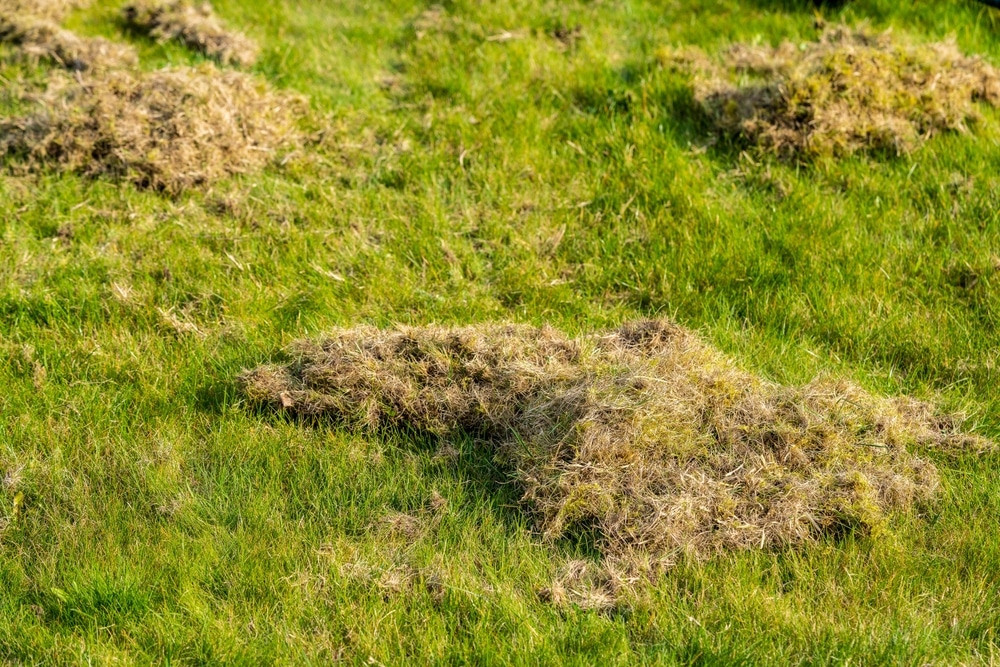
- Does your lawn feel unusually spongy when you walk on it? You might have a thick layer of thatch blocking the surface, which aeration helps to break up.
If you answered yes to any of these, aeration services can make a world of difference.
Schedule Your Minnesota Aeration Services for the Fall
If you’ve been fighting a losing battle with your lawn, stop working against it and let us help you work with it. Aeration isn’t a magic bullet, but it’s often the single best thing you can do to solve the root cause of many common lawn problems. Let’s get your lawn breathing again.
Our team at LNG Landscapes knows Minnesota lawns. We use advanced techniques for our aeration services and have the local expertise to time your application perfectly for the best results. Contact us today to get on the schedule and give your lawn the head start it deserves for a beautiful year ahead.